The Lowdown: KUNE


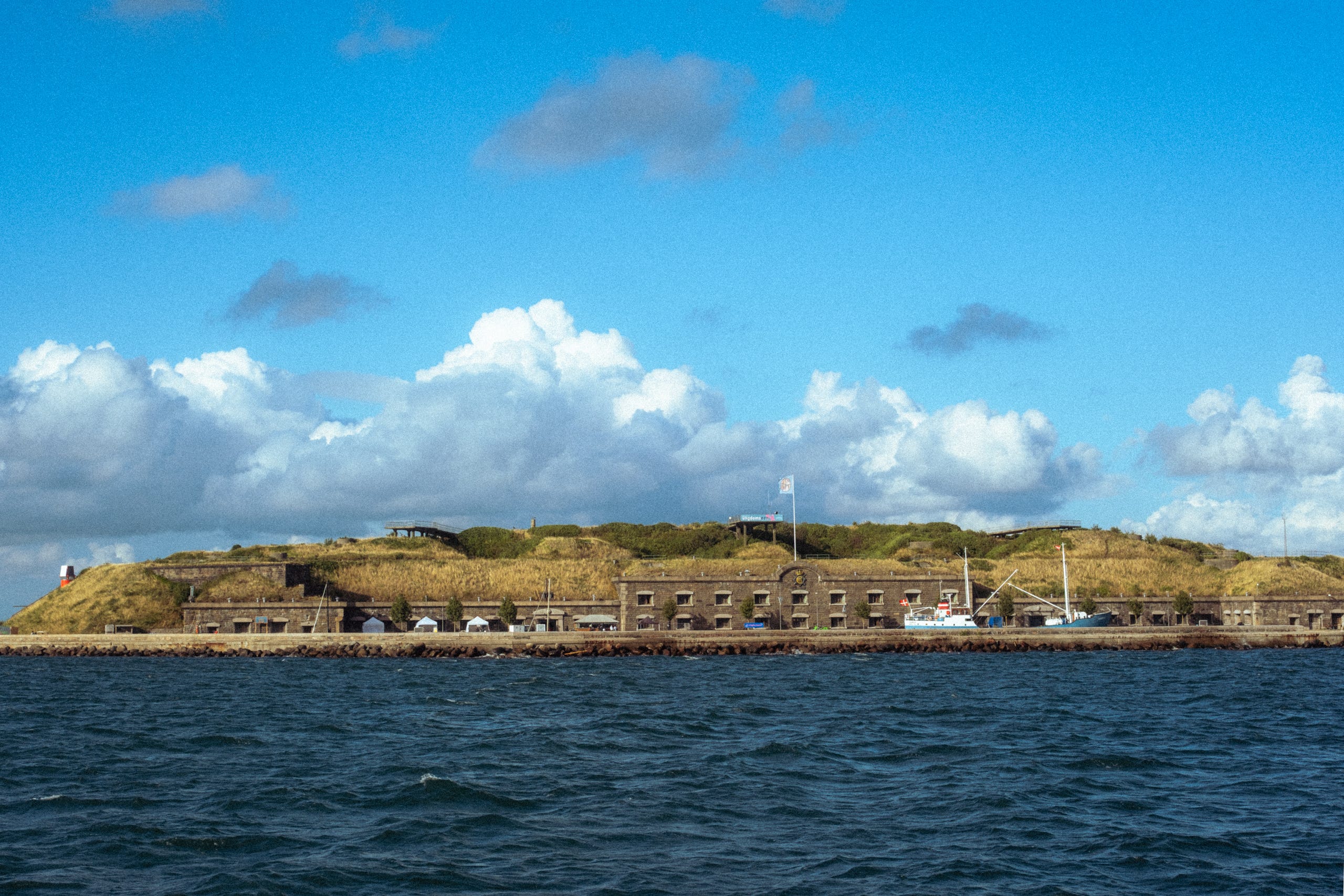
over the past five weeks, we’ve been spotlighting some of the artists that played this year’s edition of kune festival - the danish festival that is nestled within one of europe’s most unique festival locations, ungdomsøen, a former sea fortress turned cultural playground that is just 30 minutes by boat from copenhagen. taking place across a weekend in july, this year was the first time the team had filmed selected sets and so for this occasion, we teamed up to showcase some of the local legends and international tastemakers that made up this year’s programming whilst getting to know the person behind the artist and what has led them to this path. this included tania just, alpo, c.k., martin gilleshøj and martinou - all of these sets and interviews can be found linked below in the soundcloud playlist.
on the island of ungdomsøen, kune transform the location for the festival where historic bunkers become listening rooms, old stone courtyards turn into dancefloors and the sea-facing hills offer a moment of respite from the stimulating surroundings. creating an isolated utopia that fully allows their guests to escape from the hustle and bustle of their normal lives, kune has quietly grown over the last five years, drawing a crowd of open-minded individuals that nurtures and pushes arts and culture forward. this is created through their diverse musical programming that caters to the curious with this year’s lineup featuring loek frey, woody92, peachlyfe, hewan aman, hannah d, sunju hargun, martinou, sybil, shjva, reptant and more alongside a packed arts and activities programme.
to round up this year’s collaboration, we chat with kune’s festival director, Alin Stan, about the history of the event series, how it all started, the inspiration and influences behind their programming, how they have evolved, the initiatives they’re working on and the reasoning behind the decision of moving to a bi-yearly festival schedule.
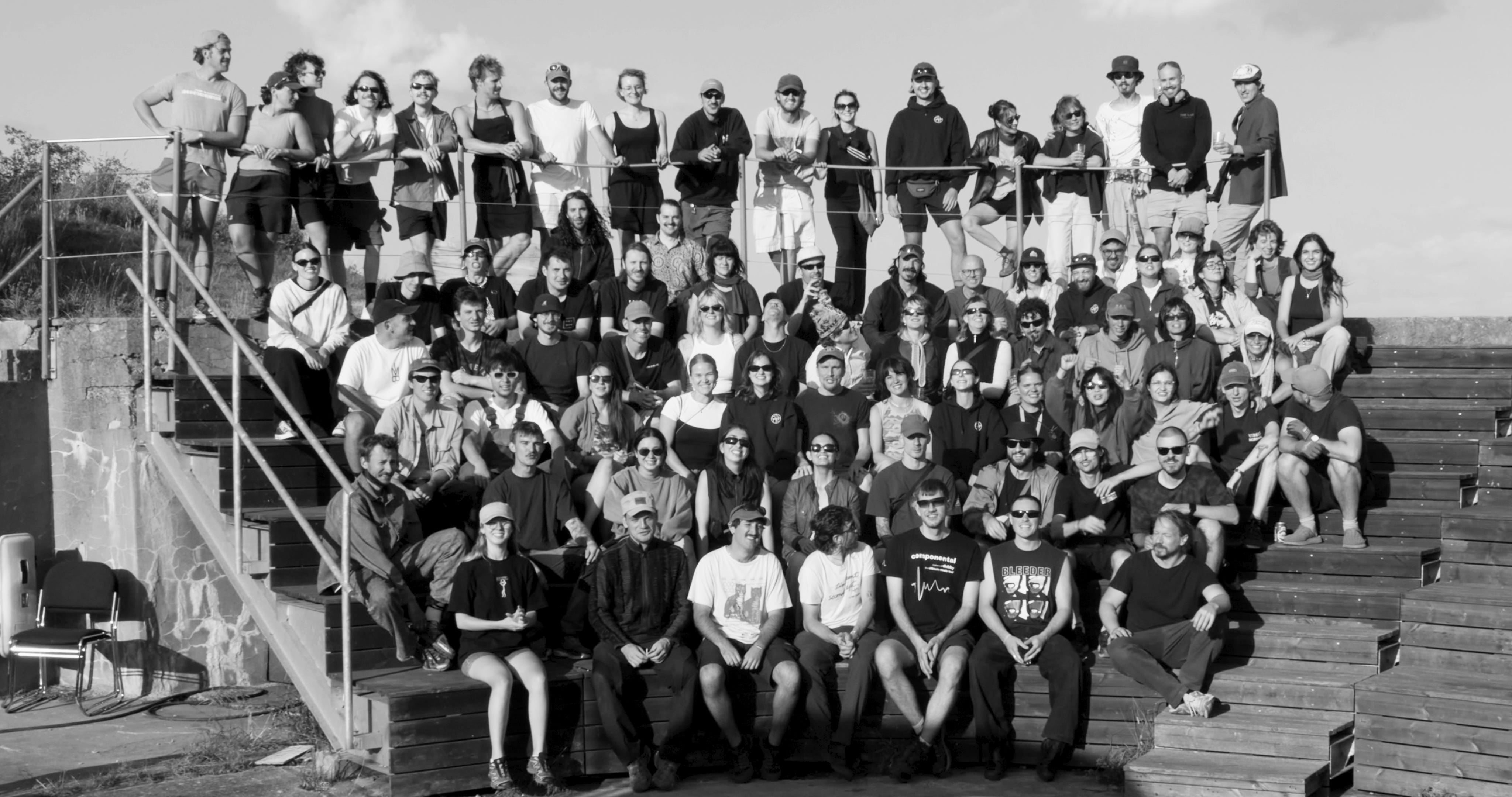
Hey KUNE team! How are you all doing?
Alin: All good on this side of the festival. Life has a tendency to get busy, and most of us went back to our ‘peter parker jobs’.
Summer 2025 has passed along with the 5th edition of your festival. Now that there’s been some months to process this year, how do you all feel about how the 5th edition went?
Alin: We’re just coming out of a period of processing this year’s experience and gathering & analyzing the feedback we received. Overall, we’re happy and satisfied with how this edition turned out - it was by far the best edition of KUNE Festival we had so far. Not only from an organizational point of view, but everything seemed to come together in the right way and click into a beautiful rendition of our vision.
We are truly blessed to be working with such talented and dedicated people, in our organization, across our teams of volunteers, the artists and partners. This year’s audience was also a powerful reminder for why we set out on this journey in the first place.
Although it was extremely difficult for us, it was a great decision to take a year of break in 2024 and to do our festival bi-yearly moving forward.
Let’s go back to the beginning - how did KUNE first come about? What inspired you to start the festival?
Alin: KUNE as an organization has existed since 2015. The idea itself came about after a group of friends hosted a series of events called Parlor Night in a small college dorm bar at Grønjordskollegiet in Amagerbro. What started out as a simple hangout just for ourselves, slowly snowballed into special, intimate events for a handful of people.
We wanted to continue creating these spaces that brought together music, art, and people, and that’s when we thought it would be a good idea to form this into a concept. The name KUNE means TOGETHER in Esperanto. We chose it because it is hyper-representative of our inception story: a handful of people coming together to create these events. We contributed not only in an intellectual or energetic sense, but also very practical or physical: each individual was bringing something into the event, whether it was a set of speakers, a DJ mixer, turntables, CDJs or anything else you can think of that makes a good party.
The idea for the festival came towards the end of 2018. For 3 years, we organized events in various locations across Copenhagen, on almost a monthly basis. From basements to rooftops, night clubs to warehouses, and forest open airs, we did a lot. We even did an event at Fort Dragør. At the end of the third year, we were running on fumes, and life was pressuring us into more serious jobs to pay our bills. The events we made never made us any money, it’s always been driven by pure passion.
So we had to make a choice: either we would cease doing events altogether and bring KUNE to an end, or look for alternatives. We chose to reinvent ourselves, and decided to do one or two events a year, of a slightly bigger scope. By that time, our network grew a lot, and we had a broad palette of music and artistic visions to play around with, so we knew that what we wanted to do had to build on top of everything we had already built, and somehow bring more things into play during our events.
The location for the festival is very unique, how did you come across this spot? How has the location influenced the way you curate KUNE?
Alin: As we were going through this transformation, that’s when we started scouting for locations (we became pretty good at this during 3 years of doing it), and we happened upon a post on a Facebook group announcing that the newly-renovated island Ungdomsøem would soon open to the public and the staff were looking for cultural partners and collaborators.
We reached out, asked for a meeting and we went in to pitch an idea - a 3-day long event with music spread across multiple stages, art exhibitions, and installations. The island’s organization decided to take a chance on us and that’s how we entered into our first agreement for a summer event in 2019.
Due to planning issues caused by a delay in the island’s opening, we only had a month to put everything together, and that initial project ended up in a pilot held over 2 days only, on September 21st and 22nd.
Those were the only two days of full-blown sun in the midst of rainy, windy weather both before and after the event. It was a message from the gods.
What draws you to organising events? What is it about this specific creative format that motivates and inspires you?
Alin: Humans have been gathering for as long as our species has existed. There is something inherently precious and valuable in connecting with other people in a context based on openness, exploration, acceptance, and respect.
That’s how cross-pollination of ideas has been happening since times immemorial.
Celebrations and festivals in particular can really bind us together, give us a sense of belonging, connection, and renewed hope and inspiration in our lives.
We’ve known and felt this since we started attending the first events ourselves, and for all of us in KUNE, music and art in general plays an important role in our lives. We have been healed through it, or by it, in some capacity and at some point in our lives. On the one hand, we want to celebrate and honor this sacred truth, and on the other hand we want to give back to the world, and hopefully guide and help others towards this healing and transformative power of art.
What are some of the most formative events that you’ve been to that have helped shape the ethos of KUNE?
Alin: KUNE’s ethos derives from a clear set of principles and values for a better society. Our values: Togetherness, Passion & Creativity, Long-term Vision, Collaboration, and Sustainability—serve as our compass, shaping purpose and guiding action. From these, our principles define how we operate: we build an inclusive, diverse, and caring community; collaborate with shared vision and respect; prioritize artistic quality and community impact; communicate openly and reliably; learn through curiosity and action; and honor both nature and sustainability in all we do. Rooted in long-term thinking and free from political dogma, we aim to create meaningful, lasting cultural impact through authentic expression and connection.
Our vision is to transform culture through music and art. We want to use our platform to represent this common voice, as well as Nordic talent, on the global stage.
We’ve been inspired by numerous events throughout our lives, but some current festivals we think very fondly of and look up to are Waha Festival (now defunct) in Romania, Waking Life Festival in Portugal, or Monument Festival in Norway. There’s a clear red thread in each of their purposes that resonates deeply with our own.
Have there been any moments that have changed the way you approach organising events?
Alin: Our approach towards events in general has been to learn by doing, as well as adapt to the context. Throughout the years we were faced many times with challenges where the solution meant we had to adjust our way of thinking. As mentioned before, we made the switch from monthly events to yearly, and through this process we stumbled into doing a festival.
After three full-scale festival editions, we were faced with an almost insurmountable amount of work and widespread burn-out symptoms, which pushed us to take a year of break followed by the decision of doing the festival bi-yearly.
Both of these are examples of difficult moments where we chose to bend rather than break. Each time, we found a new way of continuing our work which in itself brought a fresh perspective and energy.
Are there any initiatives you are currently working on that you hope to implement in the next few years? This could be anything from sustainability to safe space policies.
Alin: Now that we have a full gap year at our disposal, we have all sorts of ideas to fill our time with. Without going too much into detail, one thing we’ve been wanting to work on for a while now is an art residency taking place on the island.
We’d love to bring together artists across different disciplines and use the island as a melting pot for creative ideas. We feel it’s the right environment for generating forward-thinking artistic concepts that are rooted in our and the island’s shared values and principles. Being physically separated from the mainland, but still being able to gander from afar, can set a mind in a meditative, reflective state. We’re very curious about the type of work which could be generated from such minds.
What is your approach to curating your lineups and programming for the festival?
Alin: Our approach to curation is rooted in coherence, depth, and community. We aim to craft a musical journey that feels both intentional and intuitive, one that connects the different stages through a shared narrative while preserving each stage’s unique character. The lineup is shaped around artistic quality, relevance, and authenticity, balancing well-established acts with emerging voices that reflect the growth and evolution of our scene.
Most of our collaborations are with artists based in the Nordic region, complemented by a careful selection of international acts. This balance allows us to strengthen and elevate our local scene while creating a meaningful cultural exchange that broadens perspectives and enriches the artistic landscape.
Whether it’s music, art performances, installations, stage design, workshops, or panels, we prioritize collaborations with artists and collectives who share our values and who are actively contributing to their local communities, as this creates a stronger cultural exchange and long-term partnerships. Ultimately, our programming seeks to bridge the familiar with the exploratory, offering moments of collective euphoria and introspection alike, all while staying true to KUNE’s ethos of connection, artistic integrity, and sustainability.
In what ways has running parties impacted your relationship with music?
Alin: Running parties has completely reshaped my relationship with music. It taught me that music and art hold an extraordinary power to transform people and culture when experienced together. What began as a personal passion evolved into a shared mission: to create high-quality, inclusive experiences where people can connect across differences and feel a genuine sense of belonging.
Through the festival and our events, I’ve witnessed how diversity of sound, background, and perspective, doesn’t dilute a community, but it rather strengthens it. Each event becomes a small ecosystem of collaboration, creativity, and care, where people open up, listen differently, and leave changed.
Seeing that transformation happen collectively has deepened my respect for music as more than art: it’s a true catalyst for empathy, dialogue, and long-term cultural impact. My hope is to keep translating that same connective energy into every part of my life and work, wherever collaboration and creativity can build bridges.
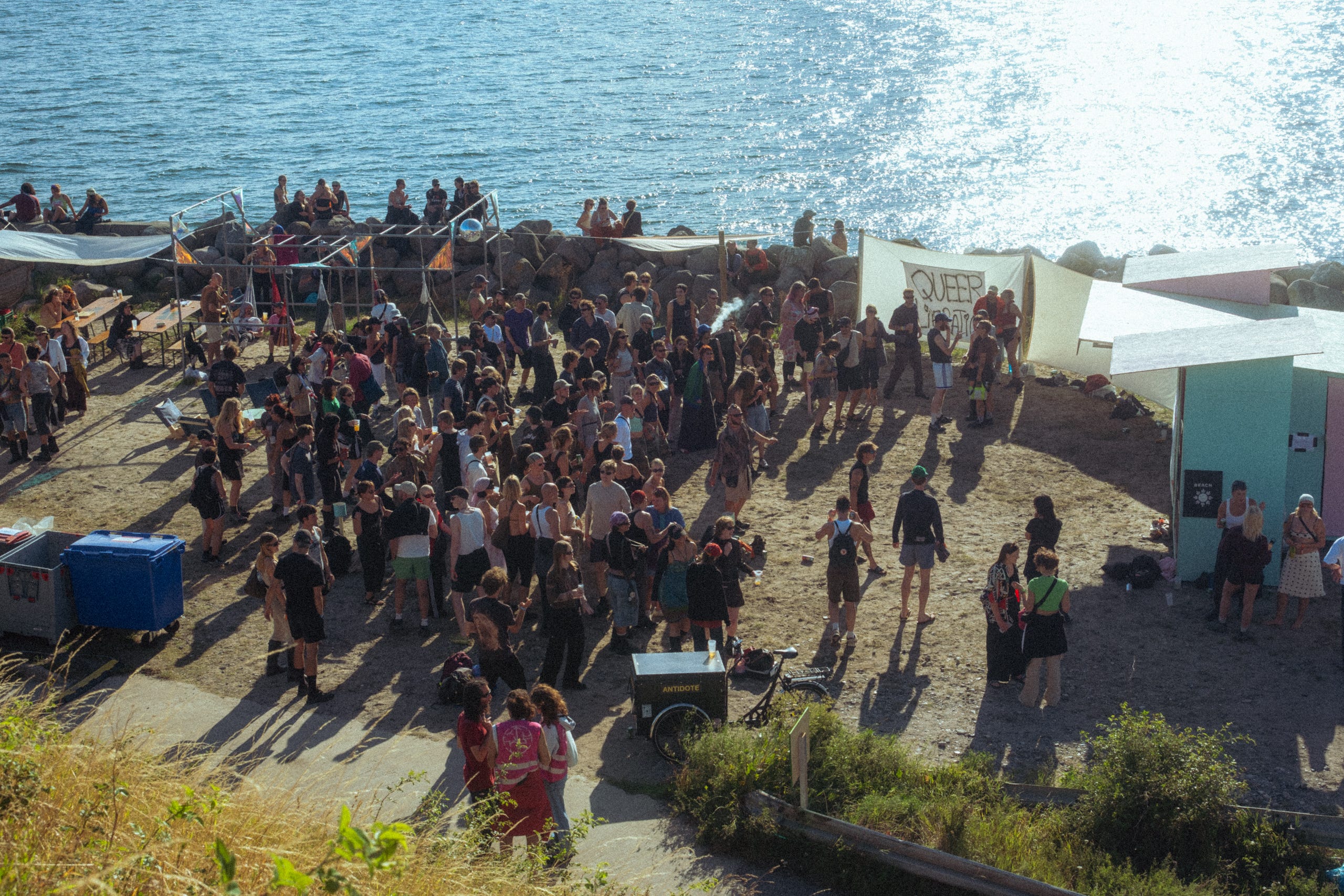
What have been some of your favourite memories from KUNE so far?
Alin: There are too many to pick from. In general, the production days are very special because that’s when things start to bloom. If throughout the year we are carefully tending to our garden, in many ways the production days are akin to spring rolling in. You’re flooded with that renewed sense of hope and possibility. Everything comes gradually alive, and colors pop up everywhere.
To me, it’s like falling in love with the world, with all humanity. That’s what witnessing the power of humans coming together around such a potent vision does to me. It gives me hope for our future.
What’s on the vision board for the future of KUNE?
Alin: Our main focus remains to strengthen the platform we’ve set out to build from the beginning. We’re really set on the idea of influencing the local culture and community through our work. The world would be a better place if we could all learn to understand and cherish the additive power of diversity. As the world levels of uncertainty and anxiety continue to increase, we’ll beat the drum of hope through art, and we’ll continue to celebrate it by coming together and building these experiences.
We also hope to continue playing a role in developing the Copenhagen scene, and to also be able to represent it to a wider, global audience. This city has a special, understated, delicate talent who deserves the spotlight. We want to explore more ways of telling its story.
such a beaut festival!