The Devil’s Own Lounge Band: Morcheeba & Softi in conversation
intro and moderated by rihana osman

By chance, as I started to wander outside of my ambient safe space into downtempo realms- getting into the works of trickpony, Stone, Saffron Bloom, Car Culture, Maara, OK EG, labels like naff, Wax’o Paradiso, Step Ball Chain - I came on board to work with Morcheeba.
Arguably up there with some of the innovators of trip-hop, it was so interesting and insightful to sit in on interviews of them thinking back to the 90s, putting out music and it being referred to as elevator music- or being the coffee table book of the industry. Especially interesting at a time when I was developing a new found love for the genre in its current form, immersing myself in the forward thinking sound that was undoubtedly shaped by the earlier Morcheeba records.
Now, I talk to Skye Edwards & Ross Godfrey (Morcheeba), alongside someone making waves in developing a reimagined and futuristic meld of trip-hop, dub and forward-thinking psychedelia softi.
When I think of my favourite psychedelic music, ambient gatherings- hazy, dimly lit, cushions on the floor cuddle puddles, it seems so world apart to think of the initial reception that Morcheeba had. So, let’s get into it.


Rihana: Hey Ross & Skye, so nice to see you! Just had an email through that your UK tour is going to be announced soon, very exciting!!
Ross: Yeah! We’re going to be playing at Troxy for the first time. I think most of it’s confirmed now, Glasgow, Bristol, Gateshead. Leeds as well, we haven’t played there for 20 years!
Rihana: Hey Jazz, welcome! How are you? Are you back in London now?
Softi: Yes, back now, I was in Madeira for my partner’s birthday. We rented a camper van for a week, it was beautiful.
Ross: Excellent, we went there and played a festival there once? I remember the plane coming in and suddenly banking…
Softi: ..yeah it twists round! We were told that it’s one of the deadliest flights in the world. I was like, oh great…amazing. It was horrible, 10pm, pitch black and raining- but somehow we landed!!
Skye: I remember having my son Gilly on that flight, who kept saying ‘we’re gonna die!!!’
Softi: This is crazy, you guys are one of my biggest influences!
Skye Edwards: Did your parents play the music then? How did you discover it?
Softi: My parents were really young when they had me in the 90s, they’d constantly play trip-hop, RnB, reggae and dancehall in the house. They’d have soundsystem parties in the house most weekends. My dad was part of a jungle kind of crew that was around in the 90s, and they’d both go to all the illegal raves in North London. They’d have after parties at mine, and I would be this little four or five year old like bopping around. That’s when I was first introduced to that world of music, especially underground music. The culture and growing up amongst it really ingrained it in me- the passion for nostalgia. Whether that’s in film, music, art, clothing. Growing up neurodivergent, I latched onto that feeling. I’ve held onto this child-like being within me- that’s why my music is very playful and expressive.
I think that’s why I have a lot of emotional feeling within my music, and people resonate with that. But for you guys, who influenced you in the 90s? Because for me, I had you guys, people like Sneaker Pimps, Vanessa Dow and artists like that. Who influenced you and them? What was your journey?’
Ross: Both Skye and I grew up listening to a lot of old music, our parents listened to blues and country. My mum quite liked reggae as well, soul music - her favourite is Otis Reading and Stax Records. So I think our heads were full of music that was before our generation. I remember being, you know, sort of 9 or 10 years old, and we’re really into hip hop- it felt like it was our generation, it was something new for us. I was too old for punk music. I missed that. And so hip hop was like the new thing, we loved what was coming of New York, it was a whole lifestyle. It was the way you dressed, the graffiti, doing breakdancing and all that.
And so what really happened, I think to us and our generation of musicians is that we just then weirdly mashed up what we’d been listening to from our parents’ record collection with hip-hop and electronica that was just pretty new and coming out. And, I mean, a lot of the early hip-hop records sampled old soul records anyway, so it wasn’t like a huge leap- it was related. But growing up in England, I think we felt like we couldn’t really rap and stuff at the time. Well, there’s a huge scene now, but at the time, it just felt a bit silly.
So, I think everyone was into making the beats and bringing in other influences musically. Then it was like, let’s write songs over it, rather than do raps. I think that’s pretty much what the UK trip-hop sound was born out of. It was a very, very wide umbrella you could do anything as long as there was a stoned beat behind it, and, you know, and it was a bit trippy. There was a bit of tape delay or other psychedelic stuff. You could take influences from blues or soul or dub reggae or even folk, and orchestral music and soundtracks and psychedelic, it was all kinds of things.
Portishead were influenced by spy movie soundtracks, and people like Lalo Shiffrin and Ennio Morricone, and so they did that kind of thing. And then a lot of the Bristol bands, like Massive Attack, were very influenced by sound system culture, you know, but we were from London, and we used to go out to quite a lot of parties and stuff, and we listened to all sorts of music and rare groove. And so we had our own take on it.
Softi: Amazing. So you spoke about people, for example, like Massive Attack being from Bristol and having influence from like Dub, Reggae. Do you think your sound was highly influenced by jazz and, like acid jazz, psychedelia, the dub delays and you know, those sounds.
Ross: Yeah, that’s true. We use a lot of old equipment to make those sounds. One of the reasons why dub reggae is so good is that in Jamaica, a lot of their studios had really old gear in it. It took them quite a long time to go digital. So they were still making really deep, amazing sounding records in the 80s, when everyone else had, like, DX7 horrible keyboards that were all really tinny and brittle. I think that there was a period in the 90s where everyone rebelled against this horrible new glossy over production, and they wanted things to sound Lo Fi and gritty, dubby and boomy. And that’s sort of when we started. Around that time there was nostalgia for how music used to be.
Softi: Yeah, recording the rawness behind the sound. I think that’s something that I believe in massively as well. When I’m producing, I don’t tend to listen too much into the mixing side and how crisp it sounds. Whenever I feel like it sounds good for me, I’ll put it out.
Skye: There’s so many amazing plugins now, you don’t necessarily need it [the older equipment], just so happens that we happen to have old stuff. I remember doing an interview, actually, it was for a festival we did in Montenegro and I was sat in my living room in front of a keyboard, and the guy, he was in his 20s, is like, that keyboard looks really, really old. It must be from the 1980s or something, just make you feel kind of like, oh gosh, we are. I guess we are getting older. But it’s nice to know that young people like yourself are still into our music, the old and the new stuff.
Rihana: We’ve spoken a lot about nostalgia and how that’s shaped you guys’ sound, do you want to speak a bit on how much of that is part of this current day resurgence? Do you think it’s heavily based on nostalgia and influence? What would you say about the modernized sound?
Ross: Since the internet was invented, it changed the way that music has developed and evolved. In the old days, there would be scenes depending on where you’re from. Certainly in the UK. If you’re from Birmingham, you’d like heavy metal. And if you’re from Bristol, you’d like trip-hop. Manchester had indie. It was very tribal before, and then when everything went digital and you had access to all the music straight away, it kind of changed the way it influenced people.
I wouldn’t say it slowed down the evolution of music, it was just fragmented. It wasn’t like things were chronological, you could do anything you wanted at any time. I feel like trip-hop was a good last genre through the gate before the internet happened. It was a very eclectic way of making music. You could just kind of magpie different bits of music from around the world and meld it together, coming up with something new sounding, that’s continued into the modern day. It’s all a bit more slick now, digital recording and editing enables you to do so much more. We used to have an old sampler, pressing buttons and using tape machines. I’d say this way of making music is a bit like a collage, you source some things, you write some things - patch it together. I feel like the trip-hop legacy is the freedom to just kind of pick whatever you want.
Softi: I 100% agree, I love that quote. ‘Trip-hop is like a collage’. That’s how I’d describe the genre in an artistic take as well - how you, as a producer, layer the elements. It’s not so much down to the technical mixing side of it, it’s all the elements coming together.
That’s still a huge part of the modern day genre. Nostalgia does play a huge part. It’s a way of escapism, especially in this generation with what’s going on in the world- and musically it’s where we’re resistant - we’re holding on to the good times. So, yeah, I definitely think it does play a huge part in modern day trip-hop - my generation long for that emotional and sophisticated depth, rather than chaos.
Ross: I think it’s comforting as well. Trip-hop is a bit like having a big, warm, fuzzy blanket. It’s not really going out music. We used to get a lot of stick from journalists, they said our music was stuff you listened to at dinner parties or have on your coffee table. We were like, what’s wrong with dinner parties and coffee tables? It was definitely the after party rather than the party, if you know what I mean. It was for when you got back, you had a spliff and were just lounging, it had a comforting feeling to it. We wanted it to sound like you’re having a warm bath, sounding a bit underwater.
Skye: Yeah, it was for when you got back from the club, or when the sun’s coming up at festivals. Or in Ibiza if you’d kind of passed out on the beach and you’re waking up hearing it playing in the bar.
Rihana: It’s so interesting hearing these limitations placed on where the sound had room, as it’s so different now. I remember sitting in on The Guardian interview and hearing you guys discuss the reviewer that made a pretty scathing remark, which you repurposed into a pretty cool t-shirt.
Skye: Yeah, ‘Satan’s own lounge band’. I can’t remember if it was Melody Maker or NME. Yeah, they gave us, like, zero out of five, and called us satan’s own lounge band. So we took that quote and we used the sort of Motorhead rock font, put that on the back of T-shirts, and they sold really well. We were told we were background music, lift music, coffee table music, as Ross said, but more often than not, when you are listening to music, you’re doing something else. There’s, it’s rare that you just sit there, you know, in front of your speaker with your headphones on. It’s mostly when you’re driving, when you’re cooking, when you’re entertaining. So, you know, we were fine with that.
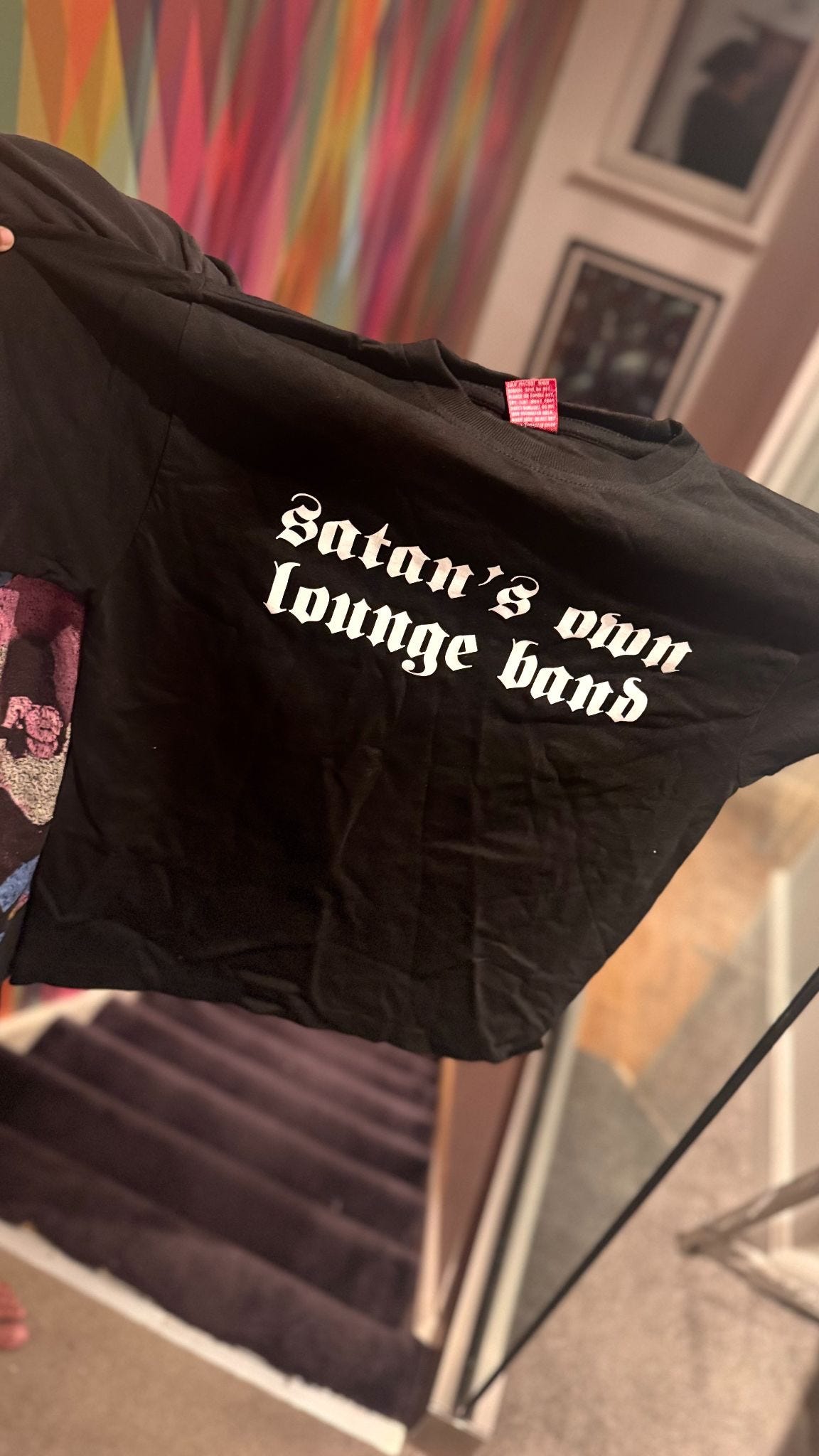
I’m wondering if the clothing has come back around. My niece is 17, and she’s wearing, like Maharashi, baggy pants and I wonder if that’s kind of all happening at the same time, the fashion thing. And it’s cool to be from the 90s.
Softi: I think, like you said, and 100% fashion comes into it, and being a part of, like, a sub genre, culturally overall, not just musically, but what you wear people and the crowds and the events that you go to and art. I wanted to talk to you guys about your art, because I’m a digital artist as well, and I usually make my art covers, artwork for my EPs. So I wanted to ask you guys, was that a massive part of releasing music?
Skye: The whole idea was that we wanted to be a faceless band, so we never put ourselves on the covers of the cheaper albums, I think it wasn’t until Beats & B-Sides that we were on the front cover. But up until then, it was about being anonymous.
Softi: I loved your first three album covers, they’re very similar to the ones I make.
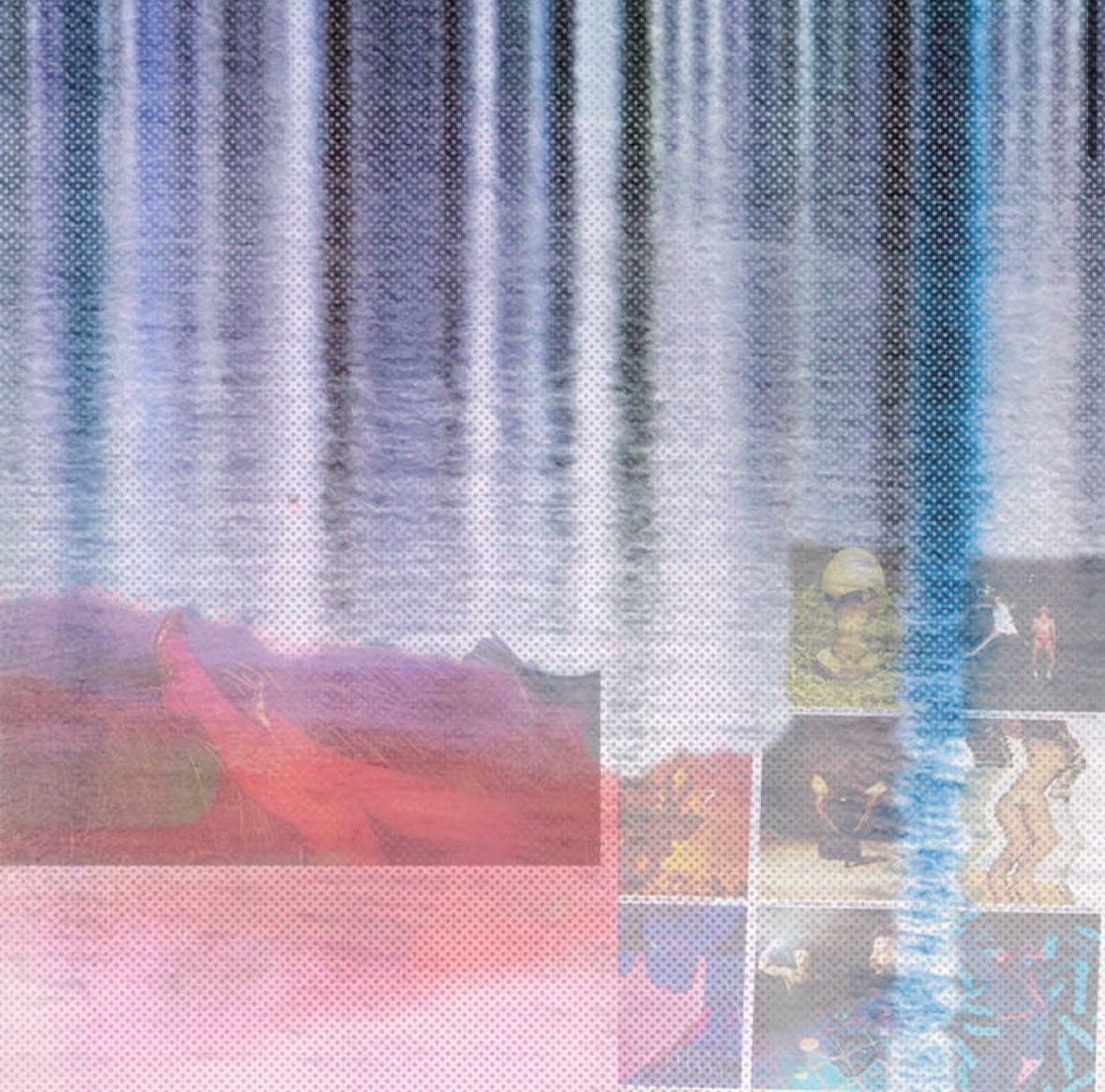
Ross: I mean, a lot of it was just to do with, like we were saying, lounging about but sort of being stoned, really. The first album is just a marijuana bud. The second one is, you know, just literally someone listening to music and lounging. And the third one, I think, is a close up of, a what is it? Is it tulip? I think it’s a tulip. No it is a red Poppy, was that a drug reference?
We would generally just pick quite random things, so getting back to what we’re talking about with, like, nostalgia for 30 years ago. I think we had the same thing, but for like, you know, the late 60s music, whether that was, like, Jimi Hendrix’s guitar playing, or Skye was really into, like, sort of big band, like Sinatra style stuff. I think there’s always something more classy that happened the generation before, and then I didn’t really like the music that was around at the time when I was a teenager, but I guess that’s why you get into music, is because you want to change it. You want it to be better and different. And certainly in the 80s, everything was so plastic and so fake. The new romantics. So it was just horrible, I like it now, though. At the time, I really found it very pretentious and shit. And the same with guitar bands, you know? Because before grunge came along, it was all just like hair metal, you know, it was like Eddie Van Halen or widdly guitar sounds. And I longed for like, proper, you know, nice bluesy tones and slide guitar and things like that. So the first chance we got, we just changed the conversation, you know, and we just got back into different kinds of music. And I think that going forward, trip hop is a good blueprint to be able to then explore new stuff. And with the advent of the internet has basically allowed us to search world music. Before we’d have to literally fly to Brazil and buy loads of tropicalia records and bring them home and listen to them. Now you can just go online and find this stuff.
I’ve been listening to a lot of West African music and stuff from like, the Middle East in the 70s, you know. And there’s bands like Khurangbin who are really heavily, heavily influenced by Turkish funk music. It’s all really kind of random and weird now. There’s like a treasure trove everywhere you go, of old stuff that you can find, that you realize that they were making psychedelic funk music in Central Africa. I spend a lot of time just listening to playlists of stuff from around the world, and that’s where you kind of pick up ideas and fresh, new kinds of ways of seeing music.
Softi: That’s a really interesting point, because there wasn’t the internet, so it was genuine access- or being able to go and listen to bands in London, saying to a friend have you heard of this, this new song or band or artist. But for us, we’ll send over WhatsApp.
You must have known each other for a really long time now, how did you meet?
Skye: Yeah it’s been over 20 years. I asked Ross for some skins at a party..
Ross: You had a big flower on your head.
Skye: Oh yeah, that’s right- I had a shaved head then. And then a little, like bleached in, daisy type flower. We got to chatting and Ross was interested in buying my drum kit. I got Ross’ handsome friend, Justin’s number. We started dating, and Ross was sleeping on Justin’s floor in Dalston and they needed a singer. Justin told Ross and his brother I could sing, I was awfully mad, like ‘I can’t sing!’.
Softi: Was that the first time you’d actually sung publicly?
Skye: I was in the school choir, and I joined a funk band to make friends. I performed out but not as a front person. It wasn’t my intention to be a singer, I wanted to be a fashion designer. I just went round to Justin’s flat with my guitar, because I used to write poems. I bought the guitar in Camden Market, thought I could put melody to these poems. So I sang Ross and Paul a couple of songs, very very quietly and shyly. And yeah, we did Trigger Hippie together, I remember it was the first track you presented to me, and it had a lot of instrumentation. Because I sang so quietly, because I was so shy, they were taking more and more instruments out, to kind of reveal the voice, and I guess that’s how my shyness influenced the early sound. Because I was singing so quietly.
Softi: Yeah, it’s like this soft, underwater tone that is very similar to me. I have a fear of speaking or singing. So whenever I speak over my tracks, I make my vocals quite low.
Rihana: A question I wanted to put to all of you, what are your hopes for the space in the future? Considering there’s been this huge revival, and there’s seemingly such a need and drive for down-tempo and generally a more holistic approach to music. People are craving the dimly lit rooms, the chill out space, people want to go and be able to connect with people. With trip-hop (and ambient) being quite central to that desire..what would you say your hopes are for how it will be shaped and what it will end up becoming?
Ross: I think there’s a lot of good stuff coming out. I mean, labels like Ninja Tune, have got so many great artists. I just listened to Barry Can’t Swim’s new album, and there’s some great ideas on that, where it’s just playful and so I would say the hope is that people have fun with it and change it and mash it up in a different way. Bring in different influences. And it’s just like an ever kind of growing thing.? It’s like a sort of big ball of magnetized good ideas that just keep coming together.
Skye: Yeah, yeah. I keep hearing the word analog. People are going analog now, you know, even. It’s about going back to back to the basics for sure.
Softi: I think, like for me and Rihana in in our scene, we’re seeing a lot of promoters and labels and parties put on more kind of down-tempo, trip-hop, ambient and holistic things merged with that underground late night energy. And it’s more enjoyable. Starting at like 7pm, like there’s bean bags - people are sober curious.
Skye: Yeah, it’s a positive movement, isn’t it really when you dive into it, because it can all kind of feel like, ‘Yeah, this is the world is shit, everything shit’. It’s always been that way, like, when people ask us about the album Escape the Chaos and whether that reflects what’s happening today? But there’s been wars going on all the time from time, you know? I guess with the internet, we’re seeing more and more of it. People are paying more attention to it, and also finding it a little bit overwhelming, and needing some sort of release and escape from the chaos, pardon the pun.
Ross: When we were first starting, there was a huge rave scene, people used to go to parties and there would be 5000 people listening to really big, booming bass drums, doing four to the floor. I found it really exhausting and not that inspiring. And so what I liked about trip-hop was that it was subtle. I think that that’s coming back around again, where people are looking for a little bit of subtlety, where, pop music these days is so kind in your face, and it’s so full on, and you’re straight into the chorus. There’s no foreplay. So, trip hop is the antidote to that, because it takes you on a journey.
Another thing is that when we were kids, we used to smoke a lot of weed, and we did acid and mushrooms and things like that, that’s kind of coming back around. People are interested in magic mushrooms and stuff again. They’re talking about legalizing it for medical purposes. I feel like people are rediscovering nature and our connection to it through plants and our brains, trip-hop has a lot to do with that. It evolved out of people’s internal worlds. They wanted to kind of let other people experience what they were thinking and feeling, music is an abstract thing. It’s very difficult to explain with words, because it expresses emotions that you can’t express through any other art form.
Softi: A very wise man!
Rihana: That was wicked. I had one last question, which was what are some artists, tracks, labels, promoters in the scene currently that you’ve been inspired by or wanted to shout about?
Ross: Maribou State recently, Barry Can’t Swim. I think his latest record is amazing.
Skye: Vegyn! And Cinematic Orchestra.
Softi: Artists wise: Alias Error, trickpony, Now Always Fades, Stone, Midnight Mike, GiGi, Mu Tate and a couple of labels, Northern Underground Records and Naff.
It was really lovely to meet you guys, thank you for the advice and the lovely chat.
Skye: Say thank you to your parents for introducing you to Morcheeba all those years ago!
Remix The Chaos (Volume 1) by Morcheeba is out now - buy here.
!!