erikah vabaliukas & ben sleia in conversation
written by Ben Sleia, recorded live at Refuge Worldwide


while everyone keeps declaring the dancefloor over, or club culture either dead or ‘not what it used to be’, many spaces have flourished and constantly operate against this current, proving it wrong by simply continuing to exist. panke is exactly the kind of place which is not concerned by these conversations or false claims. tucked away in wedding, and having run for over fifteen years, panke is a space that has steadily built a community of dedicated people who found a home for their passion in their spaces. while berlin’s image is still too often associated with techno, panke has consistently focused on hip hop, bass music, experimental sounds, and the people around those scenes. behind it is erikah vabaliukas, who moved to berlin from lithuania in the early 2000s and ended up building the space more or less from scratch.
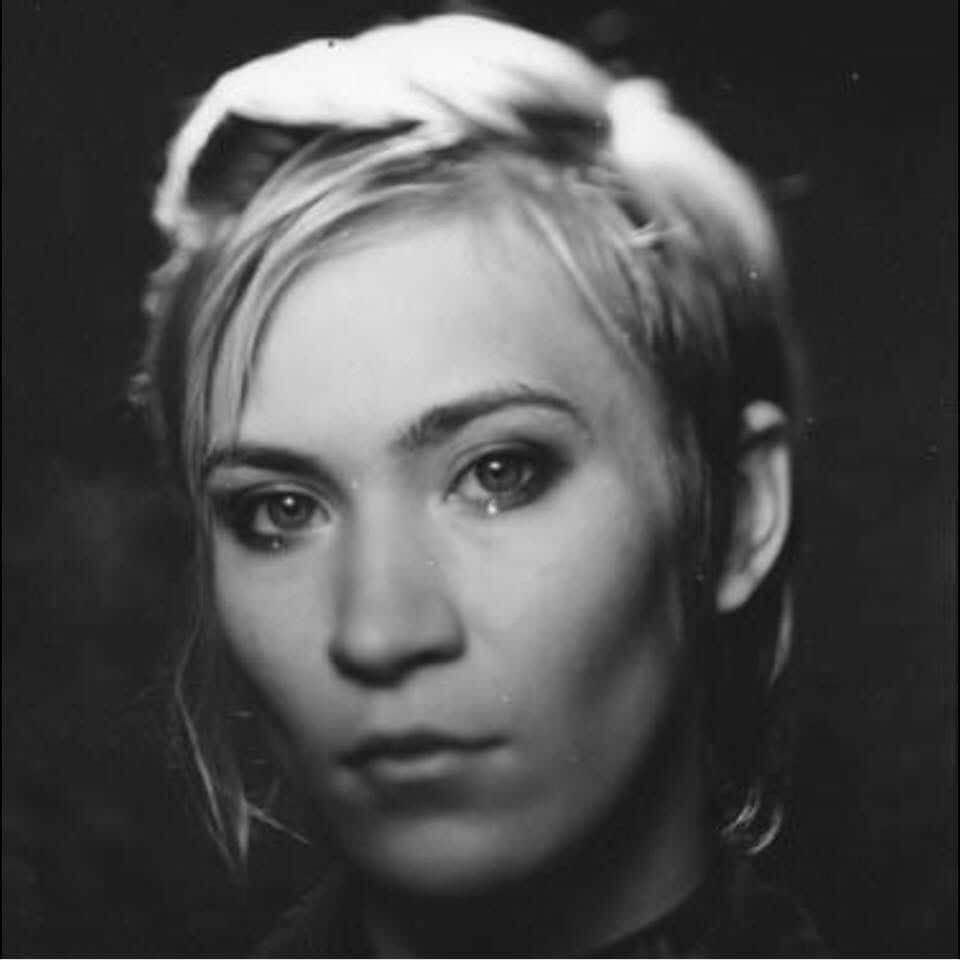
in this conversation, she talks about what berlin felt like when she first arrived, what it actually takes to open and run a venue, and why keeping something small and community-driven still matters.
so welcome, erikah. thank you for joining me. before we start, maybe you could introduce yourself, tell us a bit about who you are and what you do.
hello, thanks so much for the invite. i’m erika. i’m originally from lithuania, and i’ve been living in berlin for around 16 years. i’ve been running panke for about 15 years, maybe even longer if you count building the place from the beginning. i’ve done many different things in my life, and learned a lot along the way. before coming to berlin, i worked in finance, coming more from the accountancy side, and that’s also what i continued doing when i arrived in germany. i built up experience in that field, and now i also help artists, labels and organisers with finances. that’s kind of my other work. before that, i also worked as a hot air balloon pilot. when i first came to berlin, i worked as a driver for a balloon company.
is that what brought you to the city in the first place?
that’s what made it possible for us to work here, because at that time lithuania didn’t yet have the right to work in germany. since there weren’t many pilots looking for jobs, it was an easier way to get a work permit.
what was berlin like back then? what was it like going out? were there any specific spaces or parties that shaped your experience?
first of all, maybe i’ll start with the first time i came to berlin. in lithuania, during the soviet union, there were no clubs, just venues, locations, or factories turned into party spaces. that’s how i first encountered this german band (unclear name). there would maybe be one party a month, 300 kilometres away, and you would travel for it. one of those parties was organised by a collective, and we went with friends and i completely fell in love with it. these friends brought me to berlin for the first time when i was 19, and the first club i saw here was wmf. at the time, it was around 2000, and everything was magic. i fell in love with berlin immediately. i was living the berlin dream and trying to recreate something similar in lithuania. that was pretty good, we worked with german labels and artists, bringing them to lithuania, and at some point, around 2004, i told my friends: “i’m really thinking about moving to berlin, maybe opening a place or something.” and they were like, “yeah, but club culture is changing. it’s not going to be the same.”
so people were already saying that in 2004 or 2005? because that’s definitely something people still say about the city now.
yes, exactly. my friend who was part of a band but also a resident dj here showed me all the places around berlin. there were legendary places, like deli, cookies, ost gut during that time, and wmf of course, one of my favourite places. when i moved to berlin in 2009, i started working in wmf, and without those people, i probably wouldn’t have opened my own place. they were very professional, very good people, and very cool artists. it’s a shame those spaces disappeared.
how long did they stay open before it shut down? wmf for example.
wmf didn’t work for very long, maybe half a year in one location. but at that time, there was this way of clubs shifting from place to place. every few years, they would open somewhere else. around ostbahnhof, for example, that was part of the style of berlin clubs. not every club, but some of them. wmf was first of all on ziegrastr, then at café moskau, and then they moved to alexanderplatz,in a building next to theirs.
so back then it was common for clubs to open in one space and then move somewhere else during their lifespan?
yes, it was very common. now it’s much more difficult because spaces are used more commercially. that’s one of the things that has changed a lot.
was there anything from that time that you particularly liked or disliked about berlin?
everything. everything. berlin was so friendly, so beautiful. oh my god, i remember in cookies, standing at the bar and watching the bartenders, they were like superstars to me. they were serving ten beers in seconds, making five gin and tonics… gin in one hand, tonic in the other. i remember thinking, “when i grow up, i want to be like this.” i was even practising that back in lithuania. now, i’m sometimes really shocked. there are discussions where, instead of whisky, someone pours you bourbon, and then they’re like, “i’m the bartender at berghain, don’t touch me.” i can’t deal with this, i can’t go to a place and stand for half an hour just to get water, then you go to the toilet and don’t even see the entrance to the toilet… it’s never been berlin. back then, security was a guy sitting on a high chair, drinking coffee, saying, “hey, have fun.” and that was berlin, that was something i wanted to have to lithuania. that’s why i came to berlin, to learn how people did that.
that’s something i talk about quite often with friends. you go to clubs and, actually, you’re not treated nicely by many members of staff. it starts at the door. of course, there are reasons why doors are strict, but from the moment you step in front of the building, you’re judged and treated in a certain way. then you go to the bar, or to the toilets, and it really deteriorates the whole experience.
exactly. and when you talk about it, people look at you like, “please don’t be so rude.” but it’s not rude. it’s like: don’t sell your water like that. or at least don’t pretend this isn’t happening. it’s not nice. it’s not cute that you say these things.
it shifts the importance of the experience away from the people.
yes. and then people say we need to protect these spaces, but how? i think maybe we need to close and open something new, where people are motivated and engaged to do culture with love, and actually love their job. not just influence, power and money. because when that’s what you put into a club, that’s what people feel. not every club, of course. but many of them.
when you made the decision to open panke, did you feel there was something missing from the city at the time?
yes, that’s exactly why we wanted to open it. first of all, there was this rumour that you could just rent a place, put up a beer tap up, and open. and that was basically the plan. but it also came from the fact that everywhere we went, clubs, bars, everywhere, the music was techno and house, and often quite boring. so we thought: why not open somewhere where people can eat and listen to beats? or hip hop? or maybe drum and bass? or jungle? or rave? that was why we opened, and that became rule number one: no four-to-the-floor. no mainstream berlin music in panke. so we became a home for some of the best hip hop artists and the best beatmakers at that time. we hosted a huge amount of artists from all over the world, together with hhv and project mooncircle. those were amazing events. we always concentrated on the sound and the ambience, making it cosy and nice. the music part was very important, and i think that was our success. thanks also to my ex-partner, who was a rapper and used to say, “only stupid people listen to techno.” we used to call him a “techno nazi”, but his strong opinion helped shape panke’s music.
it’s interesting, because i think there’s still this common misconception that berlin’s music scene is mostly oriented towards house and techno. but actually, there’s so much bass music now. panke is one of the main spaces for that, but there are also smaller venues and many different collectives around the city participating in it. at the time, did it feel like there wasn’t really anywhere else doing that apart from panke?
there was always gretchen. they were really strong leaders in the city, with unbelievable bookings, shaping the music culture in berlin for many years. they’re one of the oldest and best places from my perspective. but at that time, that’s why we became a home. for example, dub and dubstep artists didn’t do events for two years because they couldn’t find a place. also hip hop. so first of all we tried to find these people, because the two of us couldn’t manage the whole programme, and we were lithuanians, and had no friends let’s say… i had friends from a long time ago, and they did help a lot. there was also de:bug magazine, and they did a lot of promotion before panke opened. that was very helpful, because at the time it wasn’t easy to get people to wedding.
i’d like to speak a bit more specifically about panke now. for anyone who isn’t familiar with the space, could you describe exactly what panke is about? how would you define the space, its artistic vision and ethos?
because panke is in wedding, and it is out of the circle of interest, we had to experiment. first of all, we wanted regular things happening every week, from wednesday to sunday. then we realised we needed more things happening, so we started the gallery, workshops and the garden. it is a very multipurpose place, and it was well built for such an idea. at the beginning, we were running what we could, with the exhibitions and so on, and from 2017, together with sakrowski, we opened the gallery, which shaped panke more towards net art and experimental music. net art, which the gallery represents, is very much connected to 1990s berlin club culture, which brought everything together. but overall, it’s very, very diverse.
how would you say it connects to 1990s club culture?
net art started then, so it’s been more than 30 years. club culture in berlin didn’t all start then, of course, but it was a very special time. between the 80s and 90s, club culture was booming, and that shaped berlin club culture for many years. all these av performances and visual works in clubs, i remember seeing things like that in the club for the first time, and that was in berlin.
how often is the gallery used now? do you have a permanent exhibition?
not permanently, but we have performances in the gallery in april, and we need to confirm when the next exhibition will be. the gallery has funding until the end of 2027, so for almost two more years. we will always offer exhibitions, and the funders are really good at what they do. many of the artists connected to the gallery are some of my favourite and biggest net artists in germany.
can you talk about when the idea for panke first came about? did you have a clear vision of what you wanted to create, or did it all come together over time?
before coming to berlin, around 2008 or 2009, we already had a rough idea , more like: you go, put a beer tap, and you open it. that was the first idea. then we came to berlin and there was pretty boring music everywhere, so we thought that maybe we could do something fun, that was the second idea. then it was also a coincidence; i worked in the stattbad wedding, and there the people were like “maybe you want to open the place”. and then, of course, building the place shaped what it became. and it’s not only my job, it’s a lot of people who brought their programmes, their communities, and made panke what it is. we just cleaned it and renovated it.
do you remember the very early days, and what it felt like on the ground at the time?
in wedding, yes. it was pretty interesting. i remember googling “vegan”, for example, and you would see thousands of places all over berlin, but nothing in wedding. the same with yoga. wedding was like an island cut out of the city. there was nothing, and you couldn’t do anything. people thought it was so far away, like somewhere in brandenburg, even though it wasn’t really that far. of course, if you had to change trains, it took longer, but with the u-bahn it could be 30 minutes. in the beginning, it was difficult to get people there. but now we’re in a great situation because we don’t really need security. we only need security if something happens and so i don’t have to fight anyone, maybe drug dealers coming by, or collectives are a bit too happy or drunk and turn their head away from the door, so at least someone else is there to look. but we could survive without security. nothing would happen. and that’s only because the people who come to panke are there because they want to come. even if it were in the middle of brandenburg, they would come.
yes, definitely. it feels like the kind of place you don’t just stumble upon. you go there with the goal of going there, specifically. and that definitely makes it better right?
exactly. and that’s what also keeps us from becoming too big. our goal isn’t to earn 20 millions a year, or whatever. but that creates a very good situation for our community. collectives have the crowd they want to have. in the early years of panke, we hosted maybe ten weddings of people who met there. later they would come back with their babies. it’s a place where people meet with the same wishes, the same purpose for coming, and often they already like the same music or the same art. it’s not just random people partying and getting high. it’s a really open, honest community. of course, it’s not a lot of money, but it’s a lot of love and good emotions. we get very positive feedback, and that makes us want to get up in the morning and do it all again.
do you remember any of the first parties that happened?
yes. i remember, still with the stattbad people, there were no windows, no doors, no toilets. we would connect everything to our neighbours’ electricity, fridges, the sound system, lights, everything.
did the neighbours know?
yes, yes. once the electricity broke at three in the morning, and the neighbour came and fixed it. then we asked another neighbour too, so we had two cables and could share the electricity so it wouldn’t break. people would ask, “where is the toilet?” and we’d be like, “try the river, maybe.” there would be 200 people there, a full house, no windows, no doors, function-one playing at full power, and nobody complaining; that was wedding.
are there any parties or collectives from back then that are still operating at panke now?
yes. east-west sessions we’ve worked together since 2012. disco international were wedding-based, and we’ve also worked with them since around 2011 or 2012. of course, a lot of the collectives we were connected with simply don’t do anything anymore. also for hip hop, the label don’t let the label label you! they started in panke. but many artists grew up at panke, and that’s where i really see the time passing. they used to come when they were 16, and now they’re 29. you realise: okay, that’s different.
could you handpick a few collectives, djs or artists who particularly helped shape the place?
i thought maybe i should make a list, but probably we don’t have enough time, because the thing that shaped panke is the diversity. so many different people brought different vibes and different communities. that’s actually what panke is. it’s thanks to every one of them. and even if something didn’t work, thanks for the lessons.
is that something you still try to do with the programming now, to involve as many people as you can?
we sometimes joke with our gang that there are organisers who do concerts that sell out, start at eight, finish at eleven, and generate more money than we do on a weekend staying open until six in the morning. so we think “it would be so nice that we just do concerts and go home every day at eleven”. and then after one year, you remember those nights until six in the morning and think, “oh, let’s do it again.” it’s a joke because it’s a lot of work, but there are so many beautiful artists and nightlife in berlin is very important. we are very thankful for all the organisers who grow and book amazing artists. sometimes we host artists i’ve listened to my whole life, and then it really feels worth it. so yes, we will stay open to communities. we will stay open for the people who need a home. and we always trust them. they always deliver very good programmes, and they are very engaged in what they do.
it seems to me that you give a lot of chances to people. you take a bet on new promoters or organisers who come with a concept, and you open your home quite easily to them.
yes. thanks to enrika, who is a sound engineer at panke and also helps me with bookings. she is an artist and producer, and she’s very good at what she does. she has very good taste. that helps me with the programme design, because she knows who is interesting, who is upcoming, and who we should give a chance to. sometimes it’s really the best music, but then the event has very few people, and that’s sad, because the music needs exposure. we are working on giving people more possibilities, and also on improving our promotion. but with 25 events a month, it doesn’t always work if people don’t send information on time. you try to be nice, then not nice, and sometimes nothing changes. then everything is late. so everyone working together has to be on point. we have some new systems now, which should make it easier. nate and dj paypal help us a lot with the system.
in berlin, like everywhere really, several clubs have shut down over the past year. what do you think has made it possible for panke to stay open for so long?
i don’t want to speak specifically about why some clubs closed, but i think if any kind of activity has no soul, then at some point it won’t work. a time will come when it dies. i think panke has always had a soul, and people felt that, people who also have a soul. there’s so much love in panke, from my collective, from the organisers. the feedback is always so beautiful. as a soviet or post-soviet person, we’re not used to receiving compliments. sometimes i don’t know what to do with so much love. but it’s really something i find so nice in berlin: when you do something, you’re rewarded with feedback.
i guess that’s a driving force behind you wanting to keep doing it.
yes. and when the feedback is positive, you know you’re probably doing something right.
you mentioned enrika, who is a sound engineer and helps you with bookings, or dj paypal etc. do you think bringing new people into the project once in a while helps keep the place relevant?
enrika has been working with us for maybe eight years already. she’s helping me because my ex-partner left a year and a half ago, and i was suddenly alone. it wasn’t possible for me to deal with everything, especially because i don’t have so much knowledge about music. i would love to, but i’m not a collector. i have a very bad short-term memory, so i’m not good with names. even if i like a band, i don’t remember what they’re called.
i guess then having external advice helps.
and of course like dj paypal, fell like from the sky, in a very hard situation. i think everyone had a kind of world crisis around october and november last year. he was one of the positive messages during that time, and i was very happy. now we work together, and it looks really good. i’m sure we will get very good results out of this structure, not only for panke, but also for organisers.
were there any moments in the past 16 years where you thought panke might not make it?
yes. probably this november. but the thing is, it shouldn’t only depend on what i think. if the project doesn’t work when i’m not there, then it doesn’t work. if i think, “i’m done,” then i’m done, but there would probably be people who would want to do it. but i wasn’t done; i’m small, but very strong.
what do you think have been the biggest challenges in the past 16 years, keeping it open, keeping it relevant?
the biggest challenge was opening the place. i wouldn’t wish that on my enemies. when somebody asks me, “can you tell me how to open a place?” i say: maybe don’t. don’t do it. i know it’s beautiful now, and i get so much back, but it is really, really difficult. at least i knew the direction. there are people who want to open spaces and they are very creative, very talented, but they don’t have knowledge of mathematics. they do what they can, but they don’t even really know what they’re doing. so it’s a lot of stress, and they might lose, if they’re not lucky. and then it depends on luck. is the place in a lucky district? are you lucky with the neighbours? in the beginning, i was blackmailed for a year. the authorities shut the place down for a while, and of course there were fines. a neighbour had reported us. at the same time, we had no money and were still building the place. then you need permits, and you don’t know if you’ll get them. but that was the best lesson for me. i learned so much. thanks to the authorities in germany, they were very professional people who helped me learn how to do this work and how to create a safe place. they were always also giving compliments and treating us almost like friends. and thanks to the police, who never wrote us up in 15 or 16 years. that was the most stressful part. i know how everyone feels when they don’t have permits. and i think now, from 2020 onwards, i wouldn’t open anything from scratch.
that’s a very big statement.
maybe i would take over something existing. but opening from scratch is too expensive. and now we don’t know where things are going. nobody knows.
so you would say the first couple of years were the hardest, because you were building the space, and then this past year was also a difficult time?
actually, 2024 was more of a financial disaster than 2025. but what do hard times look like? it’s just: okay, now i need to work more, and there will be less money. that’s it. then you do it. my mum always said: “baby, while you can work, work. there will be a time when you can’t, and then you can rest.”
has your idea of panke evolved over the years, as the city has changed? did you ever think panke needed to change along with berlin?
it has changed, because even though we are not political event organisers, of course we are political as a social unit. and that’s how the programme has changed. i remember when the war in ukraine started, and before that, the war in syria. it was beautiful, i remember so many people coming and doing good things. organisers collected clothes. i remember people bringing really good clothes, things they liked, and sharing them. all these activities changed the space. we learned with people, grew with people, and step by step, things changed.
do you currently have any favourite parties or collectives that regularly organise at panke?
i love the programme. really, it’s amazing. you can come on wednesday and there’s a rap cypher. thursday might be experimental. friday might be arab songs. saturday could be bass music. sunday could be a cannabis market. every day is different, and every day is beautiful. everyday you can hear really good music. of course, sometimes it’s a matter of taste, but there is so much good music and so many good events. i love that it’s so diverse, and that all of these things exist together in panke.
do you think panke would do as well as it has over the past 16 years if you were opening it now?
in the same situation? as i said, i wouldn’t open it.
even if the stars aligned, and you had the space, good neighbours, everything?
i wouldn’t even look, because it’s not logical. when we opened, there were many things i didn’t know. berlin was new for me, and that’s why it was experimental. panke is strong because of the collective and the people. but if something doesn’t work, then it doesn’t work.
there’s no magic recipe.
no. it’s not like, “i’m just going to do it anyway.” if people don’t need it, they don’t need it. maybe we will get to that point one day. if war happened in germany, maybe we would turn it into a resistance place, because there are no windows on the dancefloor and it survived the second world war.
what skills did you need the most when you first opened it? beyond the situation itself, finding the space, having good neighbours, building a relationship with the authorities, what skills did you need?
mathematics.
because you had an accountancy background, right?
yes. and also bureaucracy. not “bureaucracy shit”, bureaucracy is a thing which actually helps you, and you need to understand it. people who don’t understand it get into trouble.
did you speak german when you arrived?
broken german, but everything was in german. they didn’t speak english. that’s how i learned german. not just by filling in forms, but because the authorities would come, check the space, and tell us what we needed to do, building regulations, safety, all of that. you need to understand. but it was cool. everybody was so nice. the fire safety people, for example, we had done all the electricity ourselves, and you can still see it there. one of them was like, “wow. but at least you can see it. if there’s a problem, you’ll see where the problem is.” it wasn’t hidden behind walls, where nobody knows what’s going on.
do you think there’s anything about panke that has been misunderstood or overlooked over the years?
yes. there is sometimes a political misunderstanding. i’m a cultural agent, so i don’t feel i have the right to speak about politics. but some people talk about us as if we are a political movement, or they call us communist. and then they’re disappointed when they realise we are not. there was one situation with red bull, around a time when there was criticism of the academy and other things. someone made a post about us. but i was like: we’re actually running away from communism. even though i’m punk, and solidarity and anarchy are things i’m for, if you call us politically communist, that’s a total misunderstanding. we ran away from the social communism that destroyed our people and destroyed our country.
so for you, it comes from your personal experience of what those symbols and words mean.
exactly. for example, the hammer and sickle, for some people it’s a symbol of revolution. for us, it’s like a swastika. sometimes i joke that when we close panke, we’ll put those everywhere and then let’s see how it feels. the leftie understanding around this can be quite poor. people don’t always educate themselves. even if your government doesn’t forbid the use of a logo, you should still know what it means to people who lived through it, as it killed way more than hitler, and it should be understood.
that’s a very good point. i think people would be interested to hear that. to finish, what do you see in the future of panke?
i hope that we all grow together, and that more beautiful people join our communities and join panke. i hope there will always be so much love for us. love will save the world. maybe we will do more educational events. more conversations before events, interviews with people from the different communities we host. we have so many different communities: queer communities, afghan trap, people from countries where music is forbidden. we could sit down and talk about how they survive, how they make music. also with american artists, people of colour from the us, from new york, we could sit down and ask: how is it now? how do you live now? how is it to go to a shop, or to play somewhere? maybe before an event, we do an hour where people can talk to their favourite artist and ask questions.
so more panels and discussions?
yes. just sitting down and talking with the artist.
panke actually feels perfect for that, because of the stage. you can just put chairs on it and talk.
yes. and we also have the gallery, which is a wider room. there you can project things and do it more professionally , panels, projections, presentations. the club room is a bit more triangular, but the gallery would work well.
that’s all the questions i had for today. is there anything you’d like to add?
i just want to thank you again for the invitation. it was an honour to be here among all these amazing artists, ladies and women.
Discussion about this post